
THE MUSA GROVE • Colombia
With THE MUSA GROVE, we present an exceptional banana co-fermented washed coffee from Santa Monica Farm in Colombia. Our first co-fermented coffee using the Castillo variety comes from the renowned Quindío region, known worldwide for its outstanding quality and aromatic diversity.
In the cup, expect remarkable aromatic depth with a juicy, creamy flavor profile: ripe banana, tropical fruits, and a smooth, soft texture.
-
Dose : 15g
Grind : 7.1 ( Fellow ODE gen 2 )
Water type : Distilled
Water temperature : 88°
Water quantity : 225g
Minerals : 2 drops magnesium 1 drop calcium ( LOTUS WATER minerals )
Tot brewing time : 2’-2.30'“
TDS :
EXT % :
-
Origin: Armenia, Quindío, Kolumbien
Process: Banana Co-Ferment Washed
Variety: Castillo
Altitude: 1450-1500 MASLWith THE MUSA GROVE, we bring a fresh perspective into the cup. This Banana Co-Ferment Washed comes from the renowned Santa Monica Farm in Colombia and is our first in-house co-fermented coffee using the Castillo variety — bold, modern, and full of character.
The co-fermentation with banana creates a juicy, creamy flavor profile: ripe banana, tropical fruits, and a soft, almost dessert-like texture that lingers on the palate. Despite its remarkable aromatic depth and intensity, the coffee remains clean, balanced, and highly drinkable.
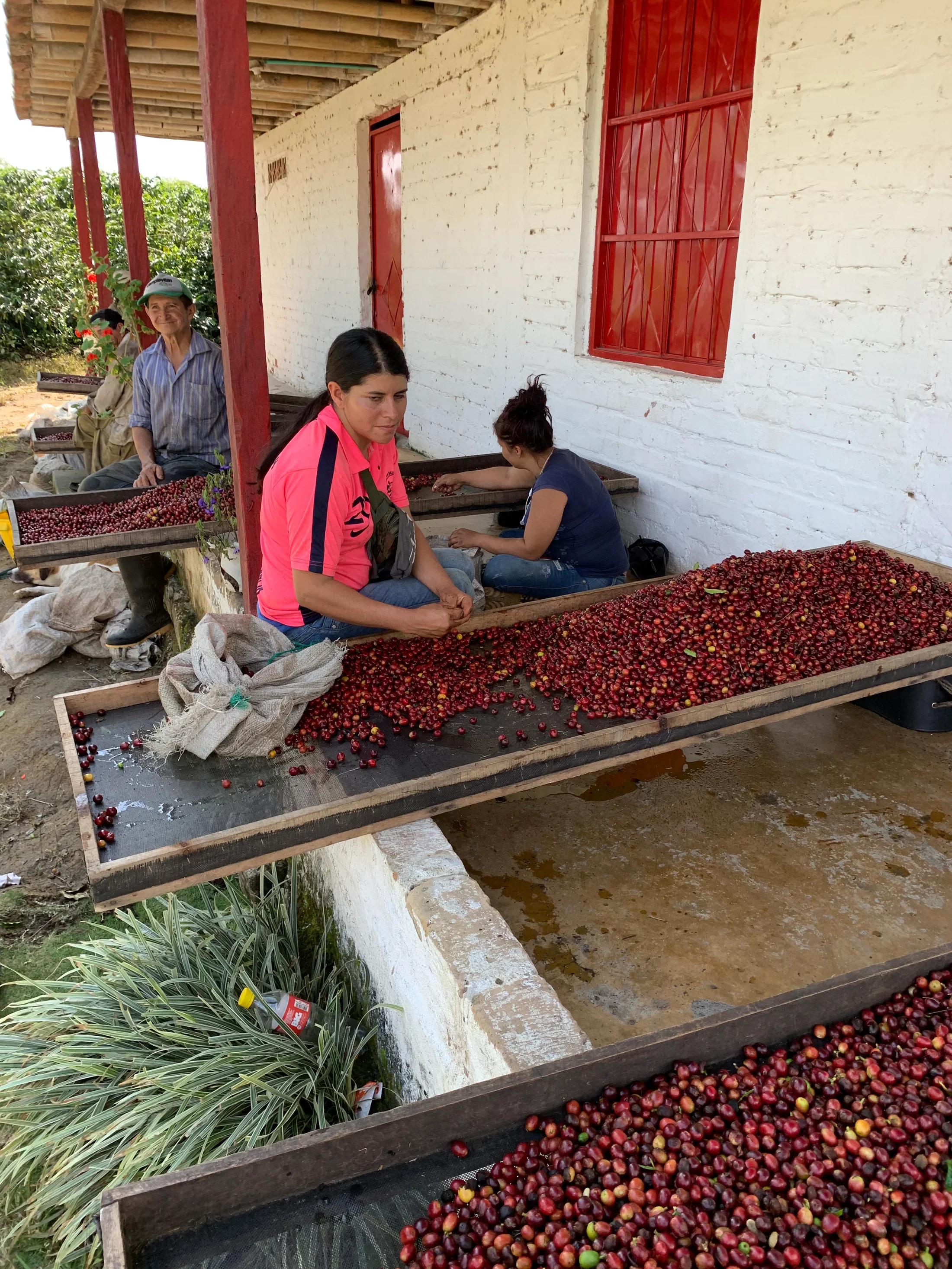
Santa Monica Farm stands for controlled, experimental processing and uncompromising quality. Each lot is handled with deep expertise and precision — from selective hand-picking to carefully managed fermentation. This attention to detail is what makes co-ferments like THE MUSA GROVE so clear, structured, and exciting.
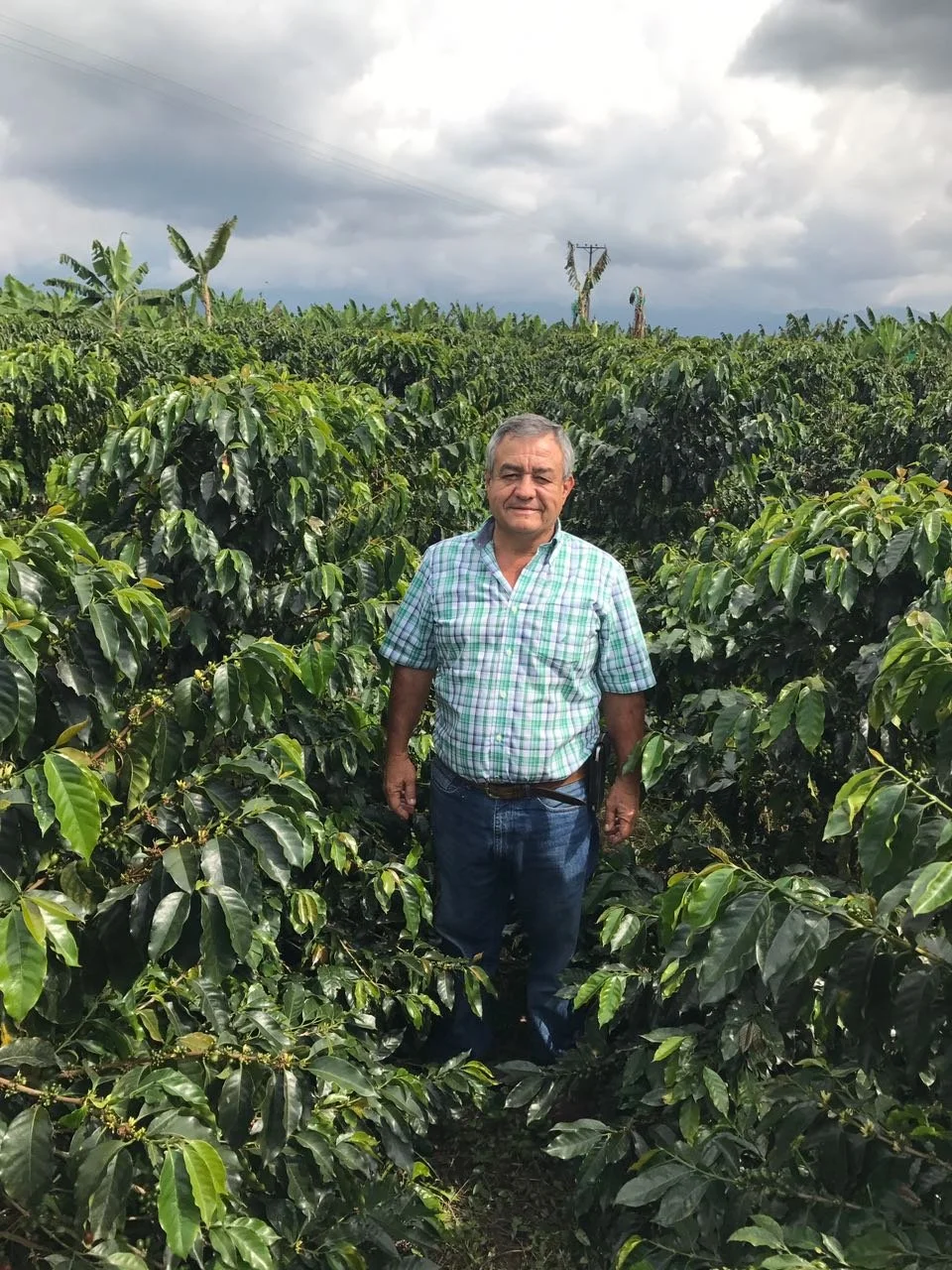
This coffee comes from the legendary Quindío region, the heart of Colombian coffee culture and part of the UNESCO-listed Coffee Cultural Landscape. The combination of volcanic soils, a stable microclimate, and high altitudes creates exceptional sweetness, vibrant acidity, and impressive aromatic complexity.
THE MUSA GROVE is not just a coffee — it’s a statement of modern processing, bold flavors, and truly exceptional taste.
-
Banana • Tropical Fruits • Creamy
-
Roasting date : 13.04.2026
Freeze date : 19.04.2026

Curiosities
-
Coffee was first brought to Colombia in the early 1700’s by Jesuit priests who arrived with Spanish settlers. The first crops were harvested in the Northeast part of the country, but coffee was quickly adopted across the nation by small, family farms as a local cash crop.
The first commercial export of coffee didn’t occur until the first decade of the 1800’s. That first shipment of a humble 100 bags of green coffee (around 60kg each) was the first of what would become a major industry. As coffee consumption grew rapidly in The United States, Germany, and France in the mid-1800’s, so did Colombia’s coffee production.
The growing industry hit a brief decline in the late 1800’s as a civil war broke out in the country, called The Thousand Days War. The fighting, along with a lull in international coffee prices, forced many plantation owners to split up farmland among workers, giving locals ownership and autonomy over their own farms.
In the early 1900’s, the now peaceful Colombia created a logistics system that enabled rural, small-estate farmers to export their coffee more efficiently. This spurred a new age of growth and gave those newer farmers a way to keep producing.
In 1927, the National Federation of Coffee Growers of Colombia was created to protect the interests of coffee growers. This organization quickly came to represent a large portion of Colombian coffee farmers.
Over the next few years, Colombia thrived as a coffee producer and became the world’s 3rd largest exporter, behind only Brazil and Vietnam.
In the 50’s the FNC launched an ad campaign that would create a national icon and generate a thirst for Colombian coffee around the globe. The man who made it happen was Juan Valdez, a fictional character who would appear on a variety of ads to communicate the quality of Colombian coffee.
Juan Valdez and his loyal donkey, Conchita, have been beloved ever since. Many have claimed that this character has become “the Uncle Sam of Colombia”, though we’re honestly not sure if that’s a correct assessment.
-
The Quindío region lies within Colombia’s Eje Cafetero and is one of the most iconic coffee-producing areas in the world. Farms are typically located between 1,200 and 2,000 meters above sea level, where the combination of volcanic soils, frequent rainfall, and stable temperatures (around 18–24°C) creates ideal growing conditions. The region benefits from a bimodal harvest cycle, allowing for multiple picking periods and careful cherry selection. This slower and more controlled ripening contributes to higher sugar development and more complex organic acid structures, which translate into bright, juicy acidity and layered flavor profiles in the cup. Quindío is also known for its strong focus on quality-driven farming and experimental processing, making it a hotspot for innovation in washed, natural, and co-fermented coffees.
-
The Castillo variety was developed in Colombia by the Federación Nacional de Cafeteros as part of a long-term breeding program focused on disease resistance and cup quality. It is a cross derived from Caturra and Timor Hybrid lines, which gives it strong resistance to coffee leaf rust while maintaining solid sensory potential. Castillo is not a single uniform plant but a group of regionally adapted lines (e.g. Castillo Naranjal, Castillo El Rosario), selected to perform in different Colombian microclimates. In the cup, it can be very versatile: typically offering medium to high sweetness, structured acidity, and notes ranging from red fruits and citrus to chocolate and panela, depending on altitude and processing. When grown and processed well, it can reach high specialty scores while remaining highly productive and resilient for farmers